Project management
I write everything down, always. Not because I’m naturally tidy, but because I’ve learned the hard way what happens when I don’t.
02 — What I do
Project, content and social media management.
How it works
I write everything down, always. Not because I’m naturally tidy, but because I’ve learned the hard way what happens when I don’t.
Before I open a calendar, I ask myself what we actually want to say. The rest — formats, days, channels — comes after, almost on its own.
I answer comments in the evening and check the numbers the morning after. It’s not glamorous, but that’s where you see if a community is alive or just quiet.
A project can be beautiful and still stay invisible. Digital communication is how it decides to be found: what tone it uses, what it says first, how it answers when someone knocks. It is not about filling calendars — it is about building an identity that holds over time and then keeping it alive every day, even when there is nothing to announce.
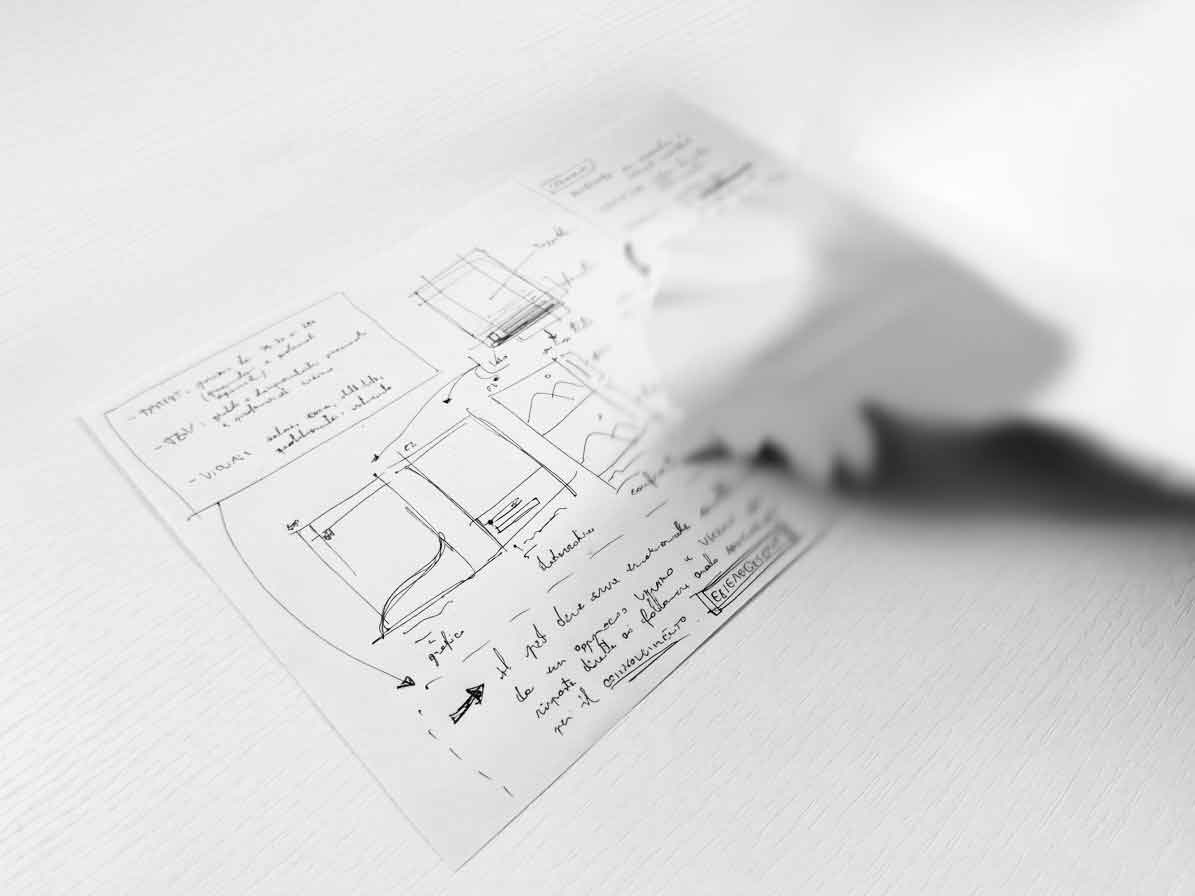
The most delicate part is the beginning, when nothing exists yet. Before the logos and the colours there are pages full of notes, circled words, sketches I will never show anyone. That is where you decide who the project is and how it speaks. Everything that comes later — graphics, posts, campaigns — rests on those few lines.
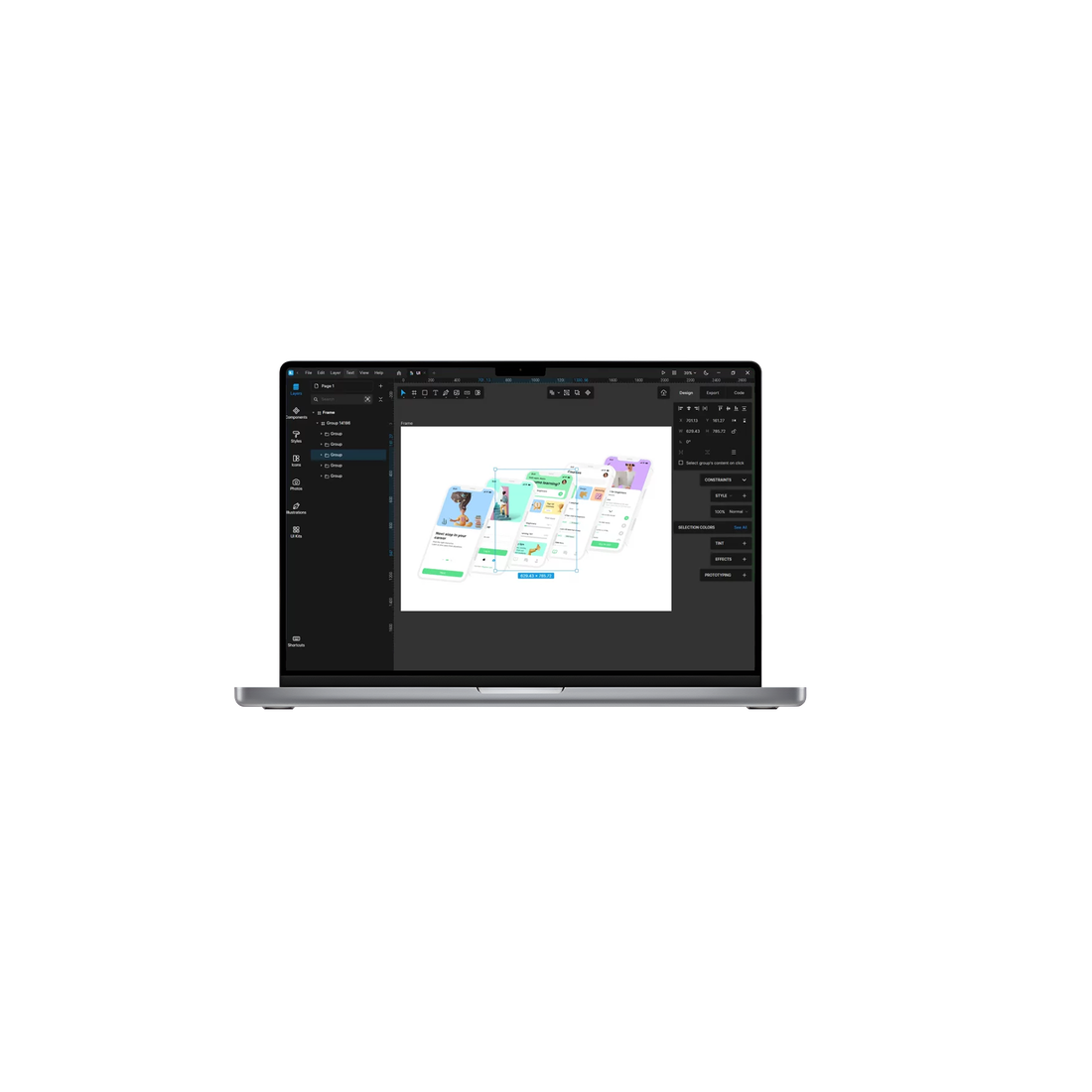
Then you build. Every graphic, every photo, every video exists for a precise reason: if it doesn’t take the project where it needs to go, I don’t make it. I would rather have ten pieces that say something than fifty that just fill a calendar. Consistency shows more in what you discard than in what you publish.

Instagram, Facebook, LinkedIn, YouTube: different channels, one voice. I run them from a single point so that nothing gets lost — a DM, a question under a post, feedback that arrived on a Sunday. The digital identity of a project doesn’t live in the good moments: it lives in the fact that someone always answers.